Aligning Supplier Networks to Enable Fluid User Progression Across Licensed Mobile Betting Platforms
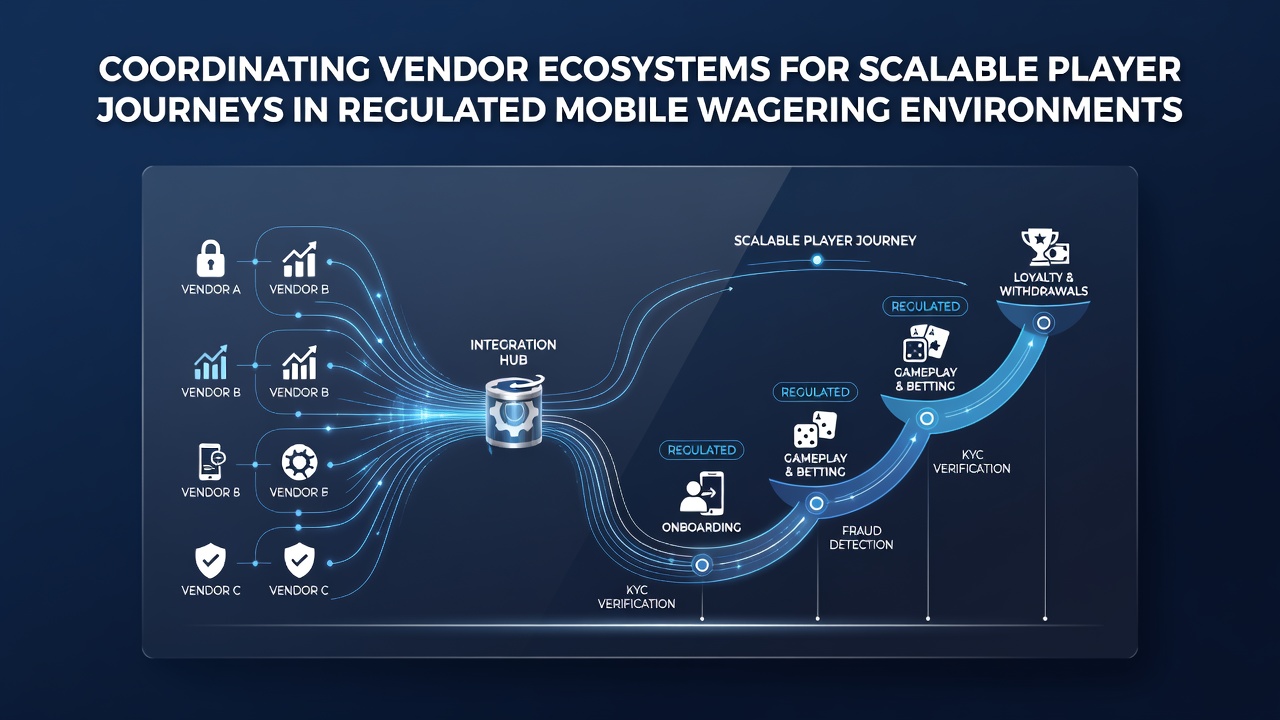
Multiple technology providers must synchronize their systems so that players encounter consistent registration, game access, payment handling, and compliance checks while operators remain within legal boundaries that differ by jurisdiction. Research from industry reports shows that fragmented vendor connections often create delays in account verification or bonus delivery, which reduces session completion rates in mobile environments. Data indicates that platforms achieving tighter integration between game content suppliers, payment processors, and regulatory reporting tools record higher retention metrics during peak usage periods. Observers note that successful coordination begins with standardized application programming interfaces that allow real-time data exchange without exposing sensitive player details. One study revealed that operators who adopted unified data schemas across vendors reduced onboarding times by measurable percentages in controlled testing environments. Those who've implemented such frameworks report smoother handoffs between live dealer streams and slot libraries, since both content sources pull from the same player profile database.
Core Elements of Vendor Synchronization
Payment gateways, identity verification services, game aggregators, and analytics engines form the primary layers that require alignment. Each component operates under separate contractual and technical constraints, yet regulatory frameworks demand unified audit trails. Figures from market analyses show that mobile wagering volumes increased steadily through the first half of 2026, placing greater pressure on these interconnected systems to scale without service interruptions. Experts have observed that location-aware modules must integrate with geofencing vendors to enforce state or provincial boundaries accurately. When these modules connect reliably with core wallet systems, players experience uninterrupted deposits and withdrawals even while traveling across regulated zones. Research indicates that September 2026 saw several North American operators upgrade these location services in anticipation of expanded sports betting approvals in additional jurisdictions.
Regulatory Compliance Through Shared Infrastructure
License conditions frequently require detailed reporting on player activity, responsible gaming interventions, and transaction histories. Vendors that supply these reporting tools must receive filtered data streams from game providers and payment processors without creating redundant storage points that could trigger additional compliance reviews. Data from regulatory filings demonstrates that operators maintaining centralized compliance dashboards achieve faster response times during routine audits. According to information published by iGaming Ontario, coordinated vendor environments allow for automated flagging of unusual betting patterns while preserving player privacy standards. This approach reduces manual review workloads for compliance teams. Similar patterns appear in reports from the Malta Gaming Authority, where integrated supplier feeds support consistent application of age verification and self-exclusion lists across mobile applications.

Scaling Player Journeys Without Service Degradation
Player progression from initial download through repeated engagement relies on seamless movement between marketing tools, game catalogs, and loyalty programs supplied by separate companies. When these elements share consistent user identifiers and event logging formats, operators can deploy personalized offers that comply with advertising restrictions in each market. Studies have found that platforms with synchronized vendor ecosystems maintain higher completion rates for multi-step journeys such as tournament registrations or progressive jackpot contributions. The reality is that traffic spikes during major sporting events test these connections most severely. Operators that pre-configured load-balancing protocols across their vendor partners experienced fewer session drops in recent high-volume periods. What's interesting is that some providers now offer orchestration layers that monitor latency between services and reroute traffic automatically, preserving the player experience even when individual vendors encounter temporary capacity limits.
Practical Coordination Practices Observed in the Sector
Take one operator group that consolidated its supplier contracts under a single integration partner; that arrangement produced unified dashboards showing real-time status across all connected systems. Another case involved a European platform that required every vendor to participate in quarterly compatibility testing sessions, which identified potential conflicts before they reached production environments. Research indicates that such scheduled validation cycles correlate with fewer post-deployment issues in live mobile deployments. Those who've studied these implementations note that clear service-level agreements covering data formats, update schedules, and escalation procedures form the foundation for reliable scaling. Without these agreements, even technically capable vendors can introduce inconsistencies that affect player trust and regulatory standing.
Conclusion
Coordinated vendor ecosystems support the delivery of consistent, compliant player experiences as mobile wagering expands across regulated markets. Evidence from multiple jurisdictions shows that shared technical standards and structured testing routines enable operators to add new content sources or payment methods while maintaining audit-ready records. As volumes continue to grow, the ability of suppliers to exchange information efficiently determines whether platforms can accommodate additional users without compromising legal or operational requirements.