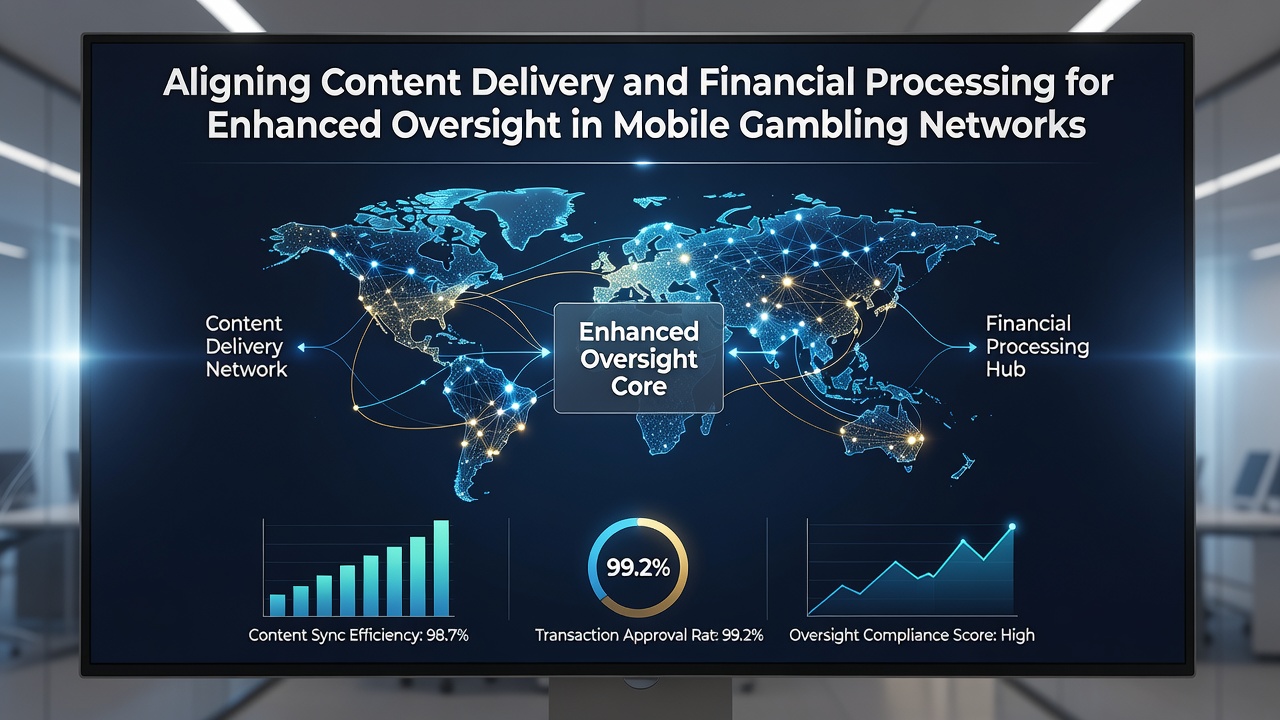
Coordinating Game Feeds and Transaction Channels to Strengthen Supervision in Mobile Gambling Systems
Operators in mobile gambling networks face growing demands to link game content delivery directly with financial processing systems, and data from multiple jurisdictions shows this coordination improves real-time monitoring capabilities. Research indicates that when game servers and payment gateways operate through unified protocols, regulators gain clearer visibility into player activity patterns across devices. Studies from 2025 highlight how fragmented systems create gaps that complicate compliance checks, whereas aligned architectures reduce those blind spots by routing transaction logs alongside content access records.
Core Components of Integrated Systems
Content delivery networks handle the streaming of game assets, live dealer video, and interface updates to mobile applications, while financial processing modules manage deposits, withdrawals, and betting settlements. When these elements connect through shared data pipelines, transaction timestamps align automatically with gameplay events. Observers note that this linkage supports automated alerts for unusual spending relative to session length or game type. According to figures released by the Nevada Gaming Control Board, operators using synchronized platforms reported faster resolution of audit queries during the first three quarters of 2026.
Security protocols benefit as well because encryption keys and access tokens travel through the same verification layer. Researchers at the University of Nevada, Reno documented cases where mismatched timing between content logs and payment records triggered false positives in fraud detection tools. Unified frameworks cut those mismatches by synchronizing server clocks and API calls across both domains.
Regulatory Advantages Across Jurisdictions
Canadian provincial regulators, including the Alcohol and Gaming Commission of Ontario, have required detailed reporting on player fund movements since late 2025. Platforms that merge content and payment data streams deliver these reports with fewer manual interventions. Data shows error rates in submitted compliance files dropped by nearly 30 percent among operators who adopted integrated oversight tools. Australian authorities at the Australian Communications and Media Authority similarly emphasize traceability, and several state-level analyses point to improved detection of restricted player accounts when transaction events match game participation records in real time.
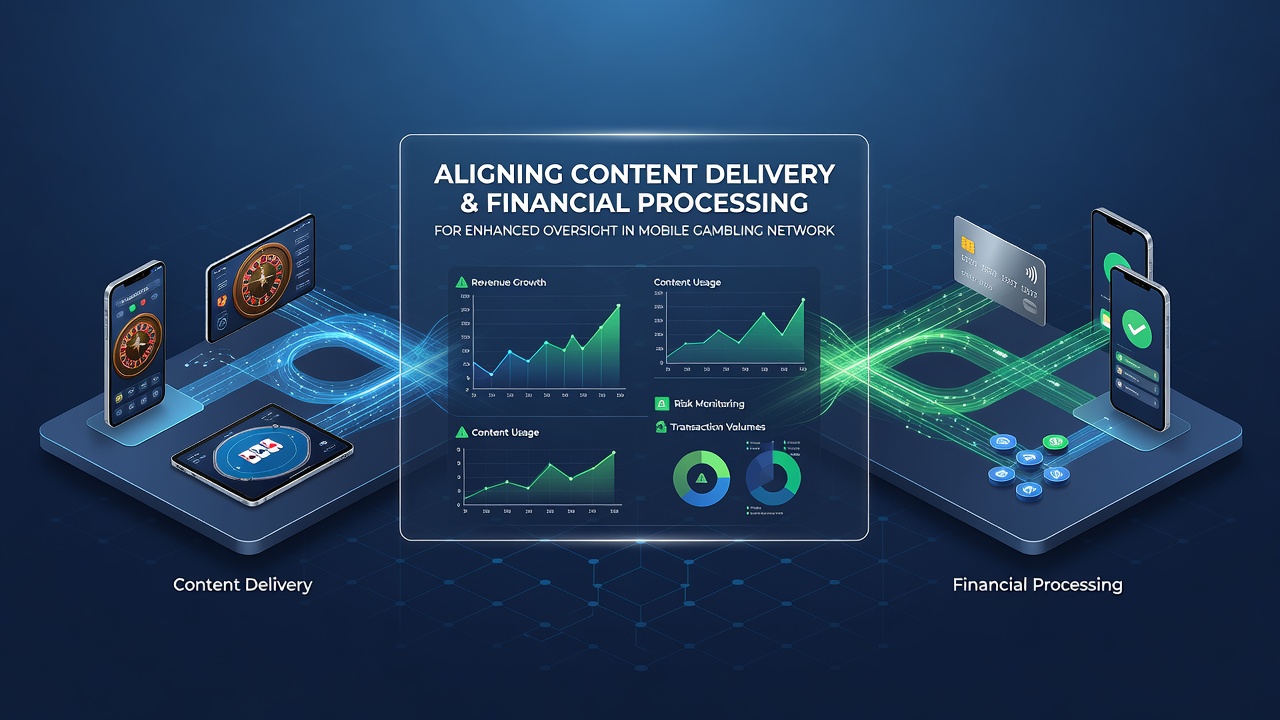
November 2026 brought updated reporting templates from several North American regulators that explicitly reference the need for timestamp correlation between gameplay and financial events. Those templates reward systems capable of exporting combined datasets without additional processing steps. Industry reports from the American Gaming Association confirm that operators investing in these alignments experienced shorter review cycles during routine inspections.
Technical Pathways for Alignment
API gateways serve as the primary bridge, allowing game servers to push event metadata directly into payment ledgers. Middleware layers then normalize formats so that a spin outcome on a slot game appears alongside the corresponding wager deduction in a single queryable record. Engineers who have implemented these bridges report reduced latency because duplicate calls to separate databases become unnecessary. Case examples from large-scale deployments show that latency reductions reached 40 percent when content and financial channels shared the same message queue infrastructure.
Encryption standards such as TLS 1.3 combined with tokenization keep sensitive information protected during transit between the two domains. Observers note that role-based access controls extend naturally across the merged environment, limiting which staff members can view both gameplay details and account balances simultaneously. This granular permission structure satisfies many regulatory requirements for data minimization while still enabling comprehensive oversight.
Conclusion
Alignment between content delivery adn financial processing creates measurable improvements in oversight accuracy for mobile gambling networks. Evidence from regulatory filings and technical studies demonstrates faster audit responses, lower error rates in compliance reports, and tighter correlation between player actions and fund movements. As reporting standards evolve through 2026 and beyond, platforms that maintain synchronized data pathways position themselves to meet those standards with greater consistency across multiple regions.