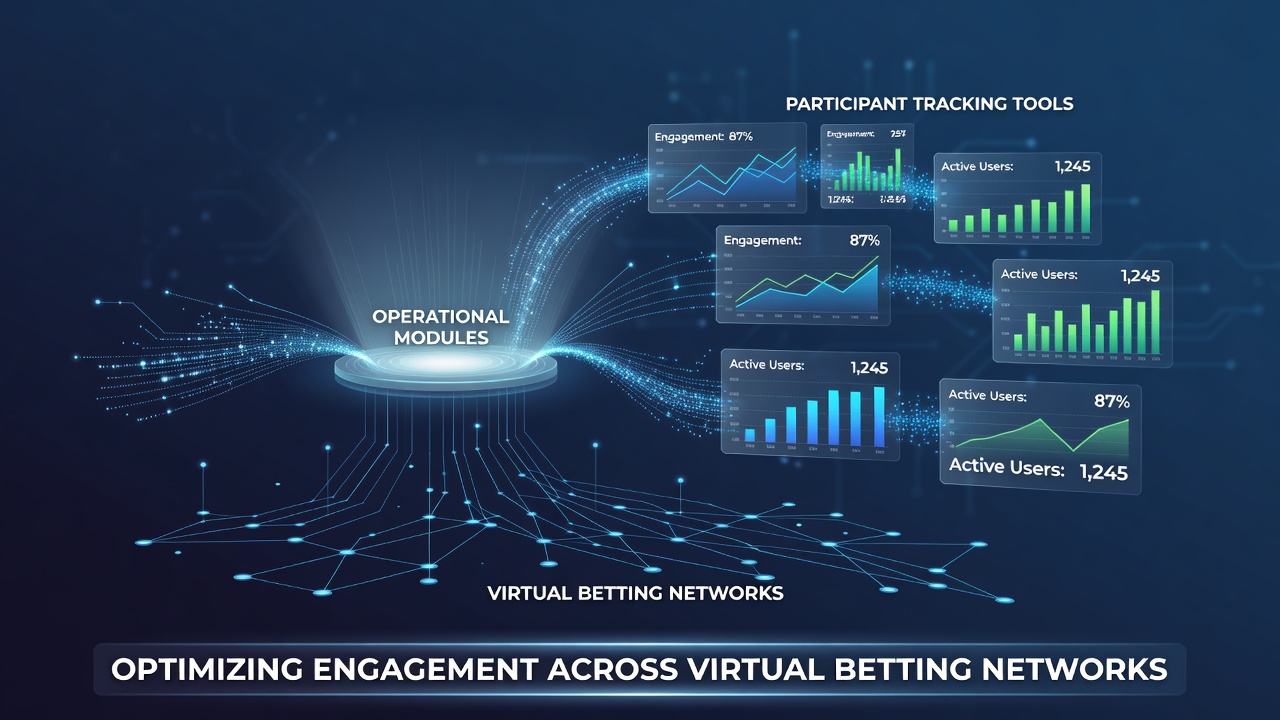
Unifying Operational Frameworks with Engagement Analytics Across Digital Betting Platforms
Virtual betting networks rely on seamless connections between core operational modules and participant tracking tools, and industry data from October 2026 shows continued expansion in these integrated systems across mobile and desktop platforms. Operators coordinate game servers, payment processors, and compliance engines with real-time analytics platforms that monitor user activity, session duration, and betting patterns. This alignment allows platforms to adjust incentives and content delivery based on live data streams rather than delayed reports.
Core Components in System Alignment
Operational modules handle game delivery, transaction processing, and regulatory reporting while participant tracking tools capture behavioral metrics such as wager frequency, game preferences, and response to promotions. When these elements connect through standardized APIs and data pipelines, updates flow in both directions without manual intervention. For instance, a spike in live dealer sessions triggers immediate adjustments to bonus structures, and tracking systems log the outcome for future personalization. Observers note that platforms using unified data schemas reduce latency between action and response, which supports higher retention rates in competitive markets.
Payment gateways and loyalty databases represent another key linkage area. Transaction records feed directly into player profiles, enabling dynamic credit limits and tailored rewards that reflect current account activity. Research from the American Gaming Association indicates that networks with synchronized payment and tracking layers processed 18 percent more micro-transactions in the first three quarters of 2026 compared with fragmented setups. The same integration supports responsible gaming flags, where sudden changes in betting velocity prompt automated alerts to compliance teams.
Data Pathways and Real-Time Adjustments
Information moves through secure middleware that normalizes inputs from multiple game providers and routes them to central analytics engines. These engines apply algorithms to segment users by engagement level and risk profile, then push recommendations back to operational modules for execution. In October 2026, several major platforms reported testing enhanced versions of these pathways that incorporate machine learning models trained on multi-year datasets from North American and European markets. The models predict churn windows and trigger targeted offers within the same session, shortening the gap between detection and intervention.

One documented case involved a regional operator that linked its slot management module to a tracking dashboard tracking cross-device play. When users switched from desktop to mobile mid-session, the system maintained continuity in loyalty points and active bonuses without requiring re-authentication. This continuity contributed to a measurable increase in average session length across the network, according to internal metrics shared at industry conferences. Similar patterns appear in live dealer environments where real-time video feeds combine with chat logs and betting history to refine dealer rotation and table limits on the fly.
Regulatory and Technical Considerations
Compliance modules must remain synchronized with tracking tools to meet varying jurisdictional requirements. Data residency rules in certain Canadian provinces and Australian states demand that player information stays within defined geographic boundaries even as analytics processes run across cloud instances. Platforms address this by deploying region-specific nodes that feed summarized insights into a global dashboard while keeping raw records localized. The National Council of Problem Gambling in the United States has highlighted how such segmented architectures help operators flag at-risk behavior without violating privacy statutes.
Security protocols add another layer to the synchronization process. Encrypted channels protect data in transit between operational modules and analytics repositories, and audit logs record every query and update. Industry reports from the European Gaming and Betting Association note that networks employing end-to-end encryption alongside granular access controls experienced fewer incidents of data mismatch in 2026 than those relying on periodic batch transfers. These technical safeguards support continuous operation even during peak traffic periods around major sporting events.
Future Integration Trends
Emerging standards for data exchange continue to shape how platforms structure their connections. Open APIs promoted by various technology consortia allow third-party participant tracking tools to plug into existing operational stacks with reduced custom development. In October 2026, several providers announced updates that embed consent management directly into the tracking layer, giving users granular control over which activity data feeds into engagement algorithms. This approach aligns with broader regulatory expectations while preserving the ability to deliver personalized experiences across virtual betting networks.
Conclusion
Effective synchronization between operational modules and participant tracking tools produces measurable improvements in engagement metrics across virtual betting environments. Data pipelines that carry behavioral signals into game and payment systems enable timely adjustments that keep users active within regulatory boundaries. As platforms refine these connections through standardized interfaces and localized compliance nodes, the underlying architecture supports both operational efficiency and user retention without compromising security or privacy requirements.